
Treatments we offer!
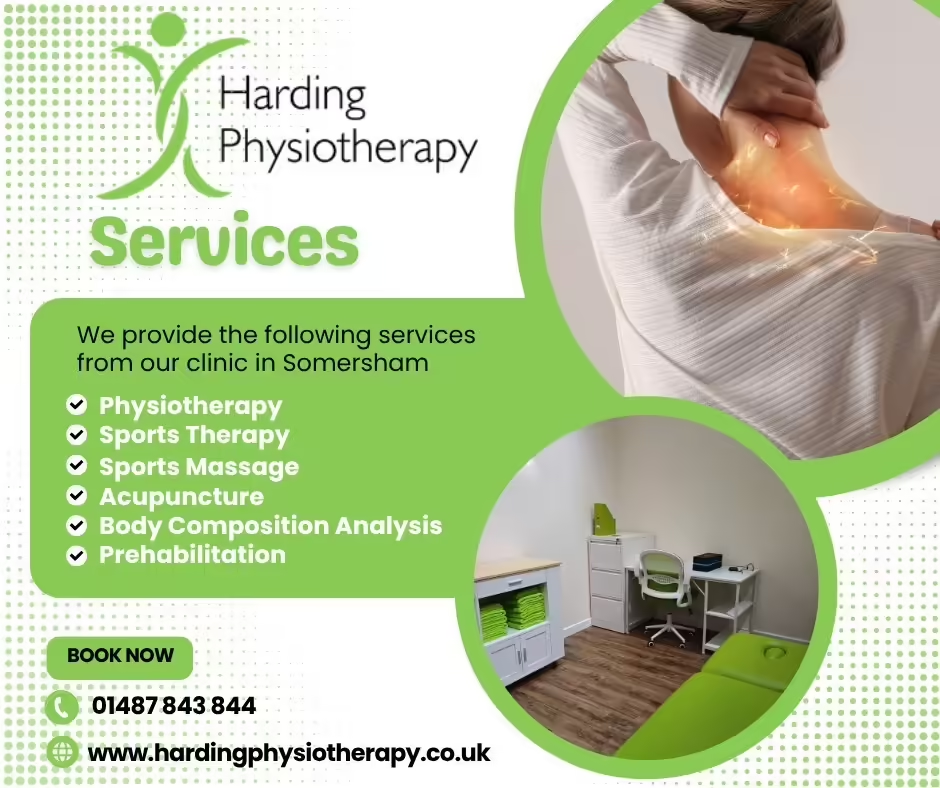
Our team of three therapists provide practical, hands-on treatment focused on reducing pain. Our work covers injury rehabilitation, performance support, and preventative care, with sessions tailored to the individual. Using a variety of manual therapy techniques and exercise-based rehab we aim to help people move better, recover well, and stay active.
Why do clients come to us?
Acute injury – 13%
Longstanding pain – 32%
Unable to carry out work/hobbies – 13%
General Mobility – 18%
Guidance, support, advice and education – 15%
Did you know…
71% of clients heard about us based on word of mouth recommendation or return to us as previously used our services.
66% choose us based on reputation, location or convienience.
If you’ve not yet heard about us, come and join the people above to see what your missing!
For more information visit out services page below! https://www.hardingphysiotherapy.co.uk/our-services/

National heart month!
February is National Heart Month, highlighting the importance of looking after long-term health through regular movement, exercise, and a balanced diet.
With Valentine’s Day also in mind, it’s a good time to think about self-care alongside caring for others, by maintaining regular physical activity, addressing aches and pains early, and developing habits that support both cardiovascular health and physical function.
Consistent, well-managed exercise plays a key role in keeping people mobilising pain-free, whilst also supporting health and well-being.
How physiotherapy supports heart health
Exercise prescription: We regularly guide patients through safe, evidence-based exercise such as strength training, and low-impact aerobic exercise, all proven to support cardiovascular health.
Promoting personalised movement: Whether someone is returning to activity after injury, managing long-term pain, or building fitness safely, we tailor exercise to suit individual ability and medical history.
Reducing barriers to movement: By addressing aches, pains, and movement limitations early, we help people stay active — a key factor in maintaining heart health.
Screening and red flags
As physiotherapists, we don’t just treat muscles and joints. We routinely:
Screen for red flags during assessments
Identify symptoms that may suggest underlying cardiovascular or medical concerns
Refer onward when something doesn’t fit a typical musculoskeletal pattern
For more info visit – https://www.bhf.org.uk/how-you-can-help/support-our-campaigns/heart-month
World Cancer day – Feb 4th
World Cancer Day is a global initiative aimed at raising awareness about cancer, promoting prevention, early detection, and treatment, and advocating for equitable access to care.
This year’s theme, “United by Unique”, highlights the importance of focusing on the individual patient experience while uniting people worldwide to fight cancer and support those affected. The campaign also seeks to dispel myths, reduce stigma, and drive meaningful action for better outcomes.
Key Focus Areas of World Cancer Day:
Awareness and Education: Informing the public about cancer risks, signs, and symptoms.
Prevention: Promoting lifestyle choices that reduce cancer risk, including healthy living and stress management.
Early Detection: Encouraging screenings and vaccinations to improve treatment success.
Patient – centred Care: Highlighting the unique experiences of each patient, as emphasized in the “United by Unique” campaign.
Support: Recognising patients, survivors, and caregivers, and providing resources for support.
Action: Motivating governments, organizations, and individuals to invest in cancer control and improve care.
Reducing Stigma: Addressing misinformation and the emotional challenges associated with a cancer diagnosis.
Key focus areas we support
Promoting healthy movement and lifestyle habits
2. Encouraging early assessment when symptoms persist or feel unusual
3. Supporting patients living with or recovering from cancer through safe, appropriate exercise
Screening and red flags
As physiotherapists, we don’t just treat muscles and joints. We routinely:
Screen for red flags during assessments – Red flags are symptoms that could suggest underlying pathology
Refer onward when something doesn’t fit a typical musculoskeletal pattern
For more info visit https://www.worldcancerday.org/about