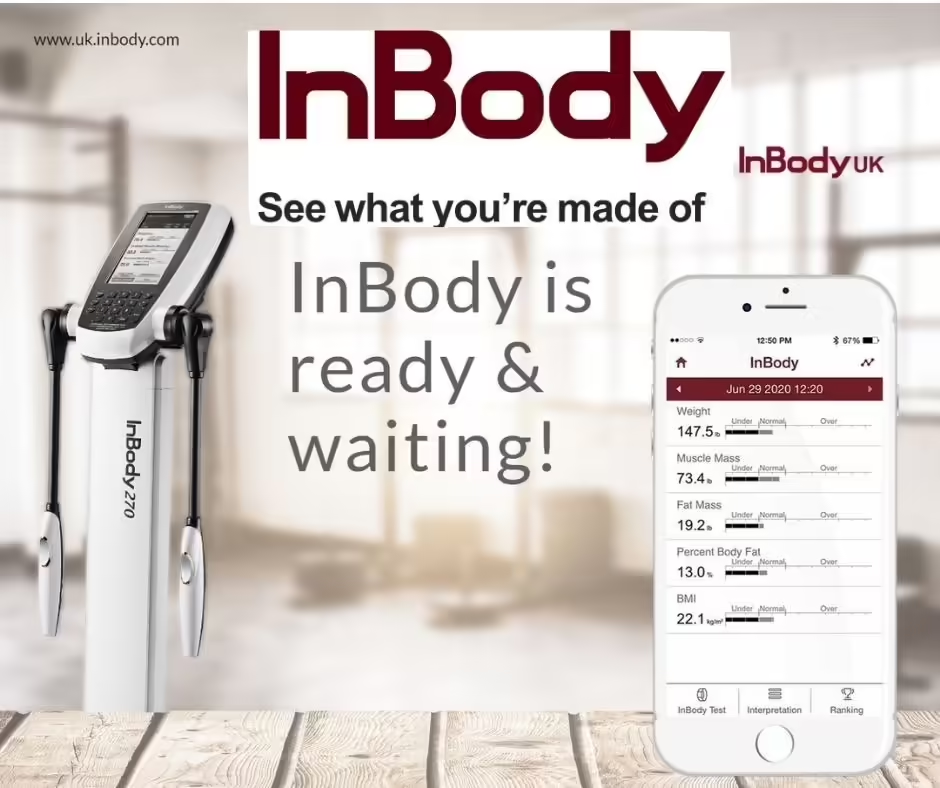

In July we launched our new body composition analysis service from InBody, and we are delighted that initial interest has been high. We believe the InBody service can assist everyone in achieving their goals, whether they are athletic pursuits, frailty prevention or weight loss journeys.
By examining your body’s numbers, you can gain a deeper understanding of your health, particularly regarding potential future health issues relating to excess weight. One primary concern for us at the clinic ,working with people who have musculoskeletal issues, is the impact being over weight has on osteoarthritis.
Obesity as a Primary Risk Factor for Osteoarthritis
According to the World Health Organization (WHO), approximately 528 million people were living with osteoarthritis in 2019, reflecting a staggering 113% increase since 1990. The knee is the joint most commonly affected (365 million cases), followed by the hip and hand. The WHO emphasizes that osteoarthritis is not an inevitable part of aging. It identifies being overweight as a primary risk factor, alongside a history of joint injury or overuse. To combat this, they recommend engaging in regular exercise and maintaining a balanced diet to strengthen muscles and keep body weight in check, while also controlling joint overuse.
Reduce Stress on Your Knee Joints
Many individuals are surprised to discover that carrying even a few extra pounds significantly impacts their knee joints. When we walk, our knees endure forces that are three to six times greater than our total body weight. For instance, if you’re 10 pounds overweight, your knees are subjected to an additional pressure of 30-60 pounds with each step. When you consider all the movements you make throughout the day, it becomes clear how much extra strain you’re placing on your knees, which can accelerate cartilage breakdown in the joints.
In addition to the extra stress on your knees, being overweight raises further concerns. Research indicates that excess weight is a significant risk factor for developing osteoarthritis. This is largely because fat cells release proteins that trigger inflammation throughout the body, including the joints. Chronic, low-grade inflammation can increase the likelihood of developing osteoarthritis.
Individuals with obesity who have osteoarthritis in one knee are five times more likely to develop the condition in the other knee compared to those of a healthy weight. Furthermore, overweight or obese individuals are at a higher risk of needing hip or knee replacements, and they often experience poorer outcomes post-surgery, along with a greater likelihood of surgical complications.
This evidence strongly supports the case for losing excess weight, whether you have already been diagnosed with arthritis or are looking to lower your risk of the disease. Even a modest weight loss can lead to decreased pain levels, making it easier to stay active and continue building on your weight loss journey. To learn more about this use this link.
September National “Know Your Numbers” Week: 8th to 14th September, 2025
As we step into September, it’s an important time to focus on health awareness. National “Know Your Numbers” Week, from the 8th to the 14th, is dedicated to encouraging everyone to understand and monitor key health indicators such as blood pressure, cholesterol levels, and body mass index.
Keeping track of these numbers can empower you to make informed decisions about your health and lifestyle. We encourage you this week to prioritise your well-being and taking proactive steps towards a healthier future and get to know your numbers.
InBody can provide you with the data essential for understanding your current health and fitness levels, and as part of our therapist led analysis appointments, we check blood pressure, heart rate and oxygen levels, as well as doing the InBody Test. In addition to this, we guide you through the process of setting realistic targets and devising a personalised plan to ensure you reach those goals effectively.
If you have already joined us for taster day, or had an InBody scan including a consultation with us, you can book in for a follow up self scan, or block book either five or ten scans to keep updated with your progress. Please call us: 01487843844.